

Have you ever wondered what exactly a chicken wingette is? You might have seen it on menus or in recipes but weren’t quite sure what part of the wing it refers to.
Knowing this can change the way you enjoy your favorite chicken wings and even help you cook them perfectly at home. By understanding what a wingette is, you’ll be able to choose the tastiest pieces and impress your friends with your chicken wing knowledge.
Keep reading, and you’ll discover everything you need to know about this delicious part of the chicken wing.
Chicken Wing Anatomy
Understanding the anatomy of a chicken wing can change how you approach cooking and enjoying them. Each part of the wing has its unique texture, flavor, and best cooking methods. Knowing these differences helps you pick the right piece for your recipe or snack cravings.
Wingette Vs Drumette
The wingette, also called the flat, is the middle section of the chicken wing. It has two thin bones running parallel, surrounded by tender meat and a good balance of skin. This part is often prized for its crispiness when fried or baked, making it a favorite at many gatherings.
On the other hand, the drumette is the part closest to the body and looks like a small drumstick. It has one larger bone and more meat, which tends to be juicier and easier to hold. If you prefer a meatier bite with less bone hassle, drumettes might be your go-to choice.
Wing Tip Role
The wing tip is the pointed end of the wing and contains very little meat. You might wonder why it’s included at all. While it’s not usually eaten, wing tips are excellent for adding flavor when making homemade chicken stock or broth.
Think about the last time you made soup or stock. Adding wing tips can boost richness without extra cost. So, instead of tossing them out, consider saving wing tips for your kitchen experiments—they add depth you might not get otherwise.
Why Choose Wingettes
Choosing wingettes can transform your chicken wing experience in ways you might not expect. They offer a unique balance of flavor and texture that appeals to many wing lovers. Plus, their size and shape make cooking easier and more consistent, helping you nail perfect wings every time.
Flavor And Texture
Wingettes are packed with meat, offering a satisfying bite that’s both tender and juicy. Their two-bone structure helps retain moisture, which means the flavor stays locked in during cooking.
Have you noticed how wingettes soak up sauces better? Their surface area and shape allow marinades and spices to cling more effectively, giving you a richer taste with every bite.
Cooking Benefits
Wingettes cook faster than whole wings or drumettes, making them ideal for quick meals or last-minute snacks. Their uniform size ensures even cooking, reducing the risk of undercooked or dry spots.
If you’ve ever struggled with messy bones or uneven cooking times, wingettes simplify the process. They’re easier to handle on the grill, in the oven, or air fryer, helping you get consistent results without the guesswork.
Preparing Wingettes
A chicken wingette is the middle part of the wing, between the drumette and the tip. It has two small bones and tender meat, perfect for frying or grilling. Preparing wingettes involves cleaning and seasoning them before cooking.
Preparing wingettes is an essential step to enhance their flavor and texture. Wingettes, the middle section of a chicken wing, are popular for their tender meat. Proper preparation ensures they absorb flavors well and cook evenly. Let’s dive into the steps involved in preparing wingettes.Cleaning And Trimming
Start by rinsing the wingettes under cold water. This helps remove any residue. Pat them dry with a paper towel to prevent splattering during cooking. Check for any leftover feathers or excess fat. Use a sharp knife to trim these off. Trimming excess skin also helps reduce unwanted grease.Marinating Tips
Marinating infuses flavor deep into the meat. Choose a marinade with a balance of acidity, oil, and seasonings. Lemon juice or vinegar works well for acidity. Combine it with olive oil and your choice of spices. Let the wingettes marinate for at least 30 minutes. For more intense flavor, marinate overnight in the fridge. Use a sealable plastic bag for even coating and easy cleanup. Before cooking, let the wingettes come to room temperature. This ensures even cooking.
Credit: www.youtube.com
Cooking Methods For Wingettes
Cooking chicken wingettes offers a world of flavors and textures, depending on how you prepare them. Each cooking method brings out unique qualities in the meat and skin, so choosing the right approach can elevate your dish. Whether you prefer smoky, crispy, or tender wingettes, understanding these techniques helps you create the perfect bite every time.
Grilling Techniques
Grilling wingettes adds a smoky flavor that’s hard to beat. Make sure to preheat your grill and oil the grates to prevent sticking. Cook the wingettes over medium heat, turning frequently to ensure even char and juicy meat.
Try marinating your wingettes beforehand to enhance the taste. Have you experimented with wood chips to add different smoky notes? It’s a simple way to bring restaurant-quality flavor to your backyard.
Baking Secrets
Baking wingettes is a hands-off method that yields tender meat and crispy skin without much fuss. Place them on a wire rack over a baking sheet to let the heat circulate and avoid sogginess. Bake at a high temperature, around 425°F (220°C), for about 25-30 minutes.
Sprinkle your favorite spices or a dry rub before baking for an easy flavor boost. Have you noticed how baking allows the skin to crisp evenly without extra oil? It’s a healthier way to enjoy that crunch.
Frying Tips
Frying wingettes creates that classic golden, crunchy exterior everyone loves. Use oil with a high smoke point, like peanut or vegetable oil, and keep it around 350°F (175°C) for perfect frying. Don’t overcrowd the pan; cook in batches to maintain temperature and crispness.
Drain the wingettes on paper towels immediately to keep them from getting greasy. Ever tried double frying? It’s a trick to achieve extra crisp skin while keeping the inside juicy.
Seasoning And Sauces
Seasoning and sauces are where the chicken wingette truly shines. The right combination can turn a simple wing into a mouthwatering treat that keeps you coming back for more. Whether you prefer a dry rub that adds texture and spice or a sauce that brings bold flavor and moisture, your wingette experience depends heavily on these choices.
Dry Rub Ideas
Dry rubs are perfect if you want to enhance the wingette’s natural flavor without overpowering it. They create a crispy, flavorful crust that complements the juicy meat inside.
- Classic BBQ Rub:Mix paprika, brown sugar, garlic powder, onion powder, salt, and pepper. This blend offers a smoky sweetness that pairs well with grilled or baked wings.
- Spicy Cajun:Combine cayenne pepper, smoked paprika, oregano, thyme, garlic powder, and salt. It delivers a zesty kick that wakes up your taste buds.
- Herb and Garlic:Use dried rosemary, thyme, garlic powder, black pepper, and sea salt. This rub brings a fragrant, earthy flavor that’s subtle but delicious.
Have you ever tried mixing your own rub? Experiment with different spices and see which combo matches your mood or the occasion.
Popular Wing Sauces
Sauces add moisture and a burst of flavor that dry rubs can’t always achieve. They can be tangy, sweet, spicy, or creamy—there’s a sauce for every wing lover.
- Buffalo Sauce:The classic choice, made from hot sauce and melted butter. It’s spicy and buttery, perfect if you like your wings with a punch.
- Honey Garlic:Sweet honey balanced with savory garlic and soy sauce. This sauce is great if you want a sticky, sweet glaze.
- Teriyaki:A mix of soy sauce, ginger, garlic, and brown sugar. It gives a rich, slightly sweet, and salty flavor with an Asian twist.
- BBQ Sauce:Thick, tangy, and smoky, this sauce works well for those who want a deep, rich taste.
Which sauce makes your mouth water just thinking about it? Try combining sauces to create your own signature wingette flavor. You might discover something amazing.
Serving Suggestions
Serving chicken wingettes is all about enhancing their natural flavor and making the eating experience enjoyable. How you pair them can transform a simple snack into a memorable meal. Let’s look at some great side dishes and dips that complement wingettes perfectly, making your gathering or dinner more exciting and tasty.
Side Dishes
Choosing the right side dishes can balance the richness of chicken wingettes. Crisp, fresh vegetables like celery sticks or carrot batons add a refreshing crunch and lighten the palate. Potato wedges or sweet potato fries are hearty options that satisfy those craving something filling.
Consider a tangy coleslaw to cut through the savory flavors with its acidity. Even a simple garden salad with a light vinaigrette can brighten the plate and provide a healthy contrast. What side dishes do you usually reach for when serving wings?
- Celery and carrot sticks
- Potato wedges or sweet potato fries
- Coleslaw with vinegar dressing
- Garden salad with light vinaigrette
- Macaroni and cheese for a creamy touch
Dips And Garnishes
Dips bring an extra layer of flavor to chicken wingettes that can make each bite exciting. Classic options like ranch or blue cheese dip are crowd-pleasers and cool down the heat if your wings are spicy. Experimenting with salsas, honey mustard, or even a smoky barbecue sauce can surprise your guests.
Garnishes are more than decoration—they add texture and flavor. Sprinkle chopped green onions, fresh parsley, or a squeeze of lemon juice over the wings. Have you tried adding toasted sesame seeds or crushed peanuts for a nutty crunch?
- Ranch or blue cheese dip
- Honey mustard or smoky barbecue sauce
- Fresh herbs like parsley or cilantro
- Chopped green onions
- Squeeze of lemon or lime
- Toasted sesame seeds or crushed peanuts
Common Mistakes To Avoid
Understanding what a chicken wingette is might seem simple, but many people make common mistakes that affect the taste and texture of this delicious part. Avoiding these errors can transform your cooking experience and impress anyone you serve. Let’s dive into these pitfalls and how you can easily steer clear of them.
Overcooking Or Undercooking The Wingette
One of the biggest mistakes is not cooking the wingette properly. Overcooking dries out the meat, making it tough and chewy. Undercooking, on the other hand, leaves it unsafe and unpleasant to eat.
Use a meat thermometer to check for an internal temperature of 165°F (74°C). This ensures juiciness and safety. Have you ever bitten into a wingette that was too rubbery or too raw? That’s the result of poor timing.
Ignoring The Skin Crispiness
The skin on a wingette is where a lot of flavor hides. Many overlook the importance of crisping it up. If the skin is soggy, the whole experience feels less satisfying.
Pat the wingettes dry before cooking and avoid overcrowding the pan or grill. This helps the skin get that perfect crunch. Don’t you want that satisfying crack when you bite into a wing?
Skipping The Proper Seasoning
Wingettes need more than just salt to shine. A common mistake is not seasoning them well enough or seasoning only the surface. This results in bland bites.
Massage spices or marinades into the wingette, even under the skin if possible. This step adds layers of flavor with every bite. What’s the point of cooking if your wings don’t have that punch of taste?
Not Separating The Wingette From The Drumette Correctly
Many confuse the wingette with the drumette or leave them attached. Improper separation can cause uneven cooking. It also makes eating less enjoyable.
Knowing where to cut ensures each piece cooks evenly and looks appealing. Have you ever struggled to eat a wing that still had extra bones attached?
Using The Wrong Cooking Method
Choosing an unsuitable cooking method for wingettes can ruin their texture and flavor. Baking, frying, grilling, or air frying all have pros and cons.
Pick a method that matches your desired outcome and stick with it. For instance, frying is great for crispiness, while baking is healthier but needs extra care to keep skin crisp. How do you like your wingettes cooked?
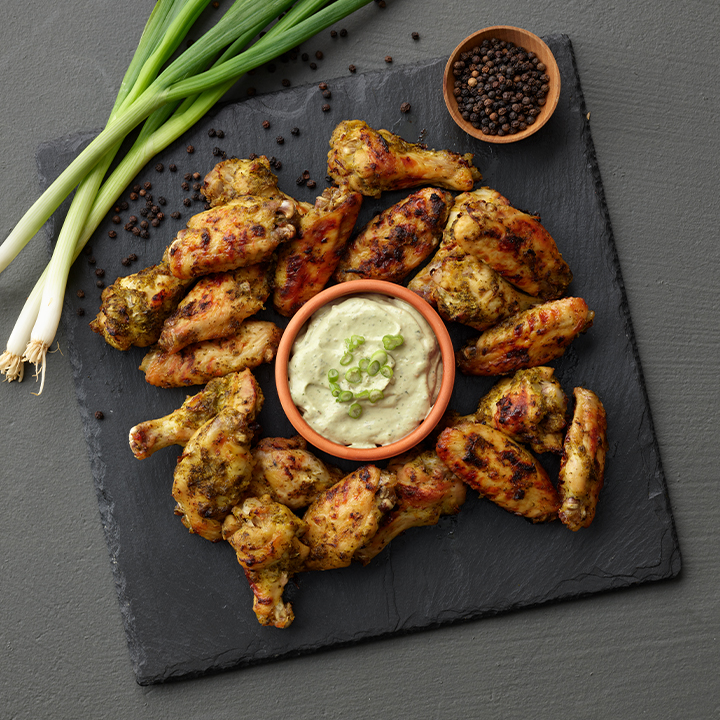
Credit: justbarefoods.com
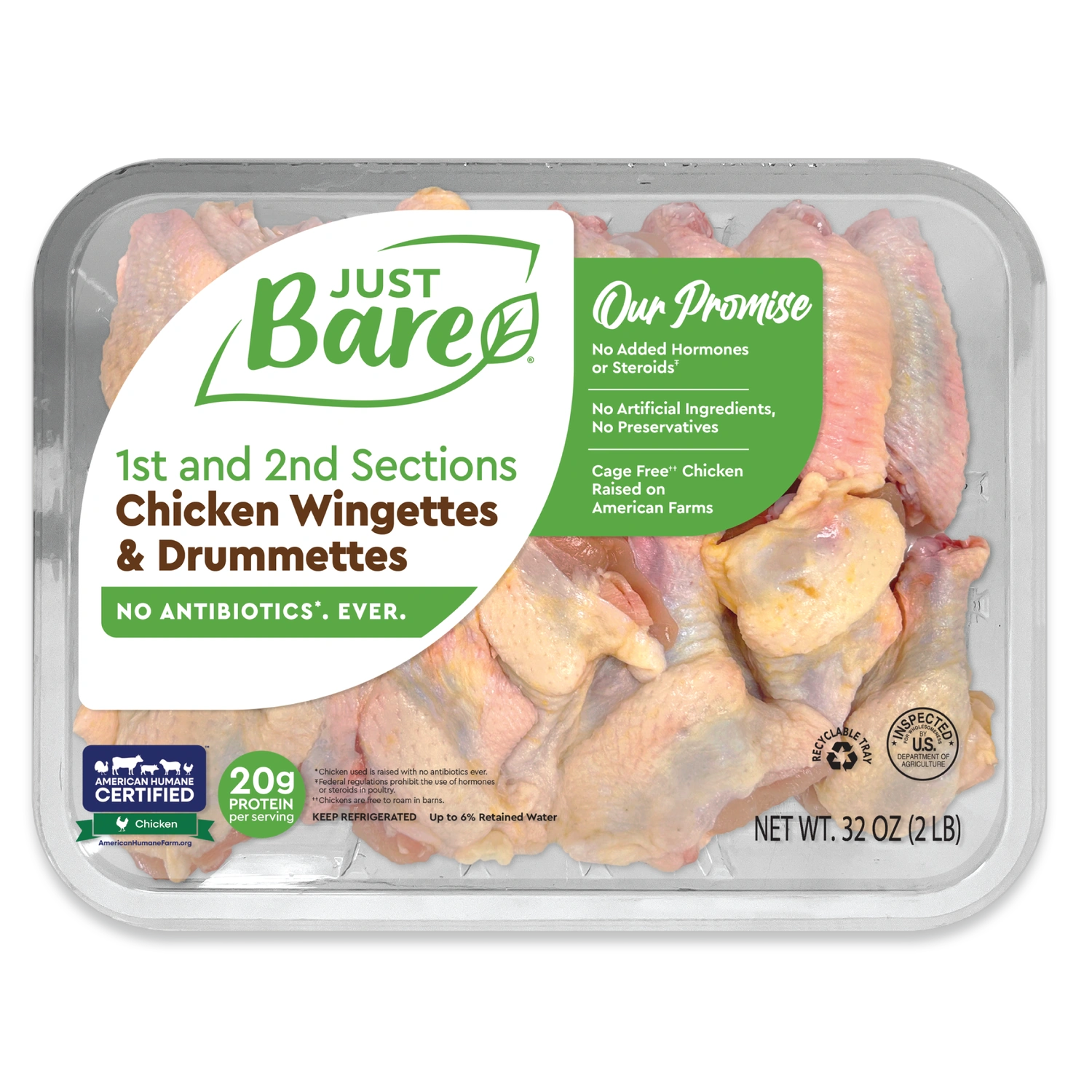
Credit: justbarefoods.com
Frequently Asked Questions
What Part Of The Chicken Is A Wingette?
A wingette is the middle section of a chicken wing. It lies between the drumette and the tip. This part has two bones and tender meat, making it popular for cooking and eating.
How Is A Wingette Different From A Drumette?
A wingette is flatter with two thin bones. A drumette resembles a small drumstick and has one bone. Both come from the chicken wing but differ in shape and texture.
Why Are Wingettes Popular In Chicken Recipes?
Wingettes have a perfect meat-to-bone ratio. They cook evenly and hold sauces well. Their tender texture and size make them ideal for appetizers and snacks.
Can Wingettes Be Cooked Like Other Chicken Wings?
Yes, wingettes can be baked, fried, or grilled. They absorb marinades and spices effectively. Cooking methods are similar to drumettes and whole wings.
Conclusion
Chicken wingettes are a tasty and popular part of the wing. They have tender meat and a good mix of skin and bone. Many people enjoy them fried, baked, or grilled with different sauces. Knowing what a wingette is helps you order and cook wings better.
Next time you eat wings, try to spot the wingette piece. It makes your meal more fun and tasty. Enjoy your chicken wings with this little bit of knowledge!

Hi, I’m Daniel Brooks—a food lover and kitchen gear enthusiast. I enjoy testing cookware, utensils, and gadgets to see what really works in everyday cooking. At seashell-kudu-262783.hostingersite.com, I share honest reviews, comparisons, and simple guides to help you choose the best tools for a safer, smarter, and more enjoyable kitchen.
Related posts:
 What Type of Cooking Utensils are Safe: Expert Picks
 What Innovations Could Blenders Make: Unleashing Future Tech
 Smart Strategies to Organize a Small Kitchen: Maximize Space
 How to Organize a Kitchen Cabinet: Expert Tips & Tricks
 How to Organize Kitchen Drawers: Expert Tips and Tricks
 How to Organize a Corner Kitchen Cupboard: Expert Tips

