

Are you ready to unlock the full flavor of your coffee? How you grind your coffee beans can make all the difference between a bland cup and a rich, satisfying brew.
Whether you’re a beginner or looking to improve your daily ritual, understanding the right grind for your coffee can transform your mornings. You’ll discover simple tips and secrets to grind coffee like a pro. Keep reading, and soon you’ll be enjoying every cup at its absolute best.
Credit: pesado585.com
Choosing The Right Grinder
Choosing the right grinder is a key step in brewing the perfect cup of coffee. The grinder you pick affects the flavor, texture, and overall experience of your coffee. Understanding the different types and options available can help you make a choice that fits your taste and routine.
Blade Vs Burr Grinders
Blade grinders use a spinning blade to chop coffee beans. They are usually cheaper and easy to find, but they can produce uneven grounds. This inconsistency can lead to bitter or weak coffee.
Burr grinders crush beans between two abrasive surfaces, giving you more control over the grind size. This results in a more uniform grind, which improves the flavor extraction. If you want a smoother, richer cup, burr grinders are worth the investment.
Manual Vs Electric Options
Manual grinders require you to turn a crank by hand. They are compact, quiet, and often less expensive. Plus, grinding coffee manually can be a relaxing ritual that connects you more closely to the brewing process.
Electric grinders save time and effort, especially if you make coffee daily or in larger batches. They offer consistent speed and grind size settings but take up more space. Ask yourself: do you value convenience over a hands-on experience?
Grinder Maintenance Tips
Keeping your grinder clean is essential for fresh-tasting coffee. Coffee oils and residue can build up, affecting flavor and performance. Make it a habit to brush out the grinder after each use and deep clean it regularly.
For burr grinders, check and tighten burrs occasionally to maintain consistency. Avoid using water unless the manufacturer says it’s safe; instead, use dry cleaning methods like grinding rice or specialized cleaning pellets. Your grinder’s lifespan and your coffee’s quality depend on how well you care for your equipment.

Credit: coffeekreis.com
Selecting The Perfect Grind Size
Selecting the perfect grind size is key to making great coffee. The grind size controls how water flows through the coffee grounds. It affects the flavor, strength, and extraction time. Different brewing methods need different grind sizes. Choosing the right grind helps you get the best taste from your coffee beans.
Coarse Grinds For French Press
Coarse grinds look like small pebbles. They allow water to flow slowly and evenly. This grind size prevents over-extraction and bitterness. French press uses a metal filter, so grounds stay separate from the coffee. Coarse grinds make it easier to press the plunger down. The result is a rich, full-bodied cup of coffee.
Medium Grinds For Drip Coffee
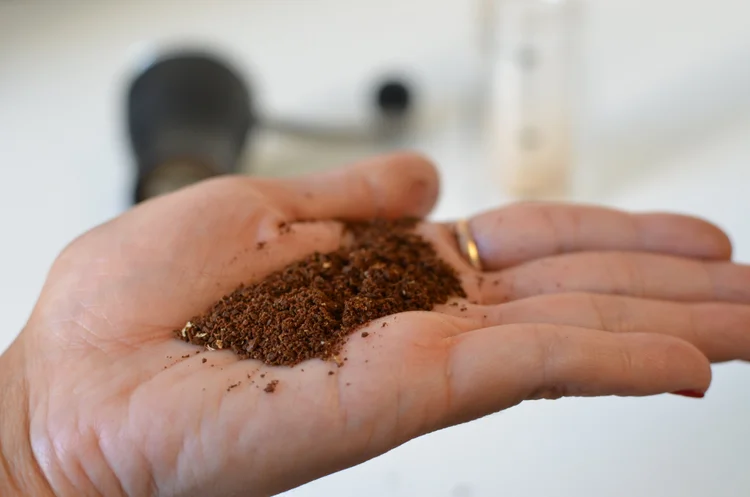
Medium grinds resemble sand grains. This size works well for drip coffee makers. Water passes through at a balanced speed. Medium grinds extract flavors clearly without bitterness. They also prevent clogging the filter. This grind size offers a clean, smooth cup with good strength.
Fine Grinds For Espresso
Fine grinds look like table salt. Espresso needs a fine grind for fast extraction. Water is forced under pressure through the coffee. Fine grounds allow maximum flavor in a short time. This grind size creates a strong, bold espresso shot. It also forms the rich crema on top.
Grinding Techniques For Freshness
Grinding coffee beans just before brewing ensures the freshest taste. Freshly ground beans retain the rich aroma and flavor coffee lovers crave. For the best cup, understanding different grinding techniques is essential. Let’s explore how to grind for maximum freshness.
Grinding Just Before Brewing
Always grind coffee beans right before you brew. This preserves essential oils and aromas. Once ground, coffee begins to lose freshness quickly. Grind only the amount you need for each brew. This simple step enhances the overall coffee experience.
Measuring Coffee Beans Accurately
Accurate measurement of coffee beans is crucial. Use a kitchen scale for precision. Weigh the beans before grinding to ensure consistency. Consistent measurements help achieve the perfect strength every time. Aim for a balanced ratio of coffee to water.
Adjusting Grind For Brew Method
The grind size affects the coffee’s taste and strength. Different brewing methods require different grind sizes. For espresso, use a fine grind. For French press, a coarse grind works best. Adjusting the grind size can transform your coffee experience.
Common Grinding Mistakes To Avoid
Grinding coffee might seem straightforward, but many people stumble over avoidable mistakes that impact the flavor of their brew. Getting the grind right is crucial because it controls how water interacts with the coffee grounds. Recognizing common pitfalls can help you achieve a richer, more balanced cup every time.
Overgrinding And Undergrinding Effects
Grinding coffee too fine can lead to over-extraction, making your coffee taste bitter and harsh. On the other hand, if the grind is too coarse, the water passes through too quickly, resulting in a weak and sour brew.
I once ground my beans too fine for a French press and ended up with a sludge-filled cup that was almost undrinkable. This taught me to adjust my grinder settings carefully based on the brewing method I use.
Ask yourself: are you adjusting your grind size depending on whether you’re using a drip machine, espresso maker, or French press? The right grind size enhances the flavor profile significantly.
Using Dull Grinder Blades
Dull blades don’t cut the beans cleanly; instead, they crush and tear them unevenly. This leads to inconsistent particle sizes, which negatively affects extraction and can give your coffee a flat or muddy taste.
If your grinder has been in use for a while, check the blades. Sharpen or replace them to maintain fresh, clean cuts. You’ll notice your coffee tastes brighter and more vibrant with sharper blades.
How often do you inspect your grinder blades? Regular maintenance could be the secret to unlocking better coffee without changing your beans or brewing method.
Ignoring Consistency In Grind Size
Consistency is key. If your grind size varies too much, some particles will over-extract while others under-extract. This uneven extraction creates a confusing flavor profile that lacks clarity.
Using a burr grinder instead of a blade grinder helps ensure uniform grind size. Burr grinders crush beans between two abrasive surfaces, producing a consistent particle size that brings out the best flavors.
Do you notice uneven flavors or textures in your coffee? Focusing on consistent grind size can solve this problem and make each cup more enjoyable.
Enhancing Flavor With Proper Storage
Proper storage plays a key role in keeping coffee fresh and flavorful. Coffee beans start losing taste soon after grinding. Storing beans the right way slows down this process. It keeps the rich aroma and deep flavor intact for longer.
Storing Whole Beans Correctly
Whole beans stay fresh longer than ground coffee. Store beans in a cool, dark place away from light. Light causes beans to lose flavor quickly. Avoid storing beans near the stove or windows.
Avoiding Moisture And Heat
Moisture damages coffee beans and changes their taste. Heat speeds up flavor loss. Keep beans dry and cool to preserve quality. Avoid places like the fridge or freezer, where condensation can form. Room temperature is best for storage.
Using Airtight Containers
Airtight containers block air and moisture from reaching beans. Use containers made of glass, ceramic, or stainless steel. Avoid clear containers that let light in. Seal containers tightly after each use to keep beans fresh.
Credit: www.thegirlinthecafe.co.uk
Frequently Asked Questions
What Grind Size Is Best For Different Coffee Methods?
Different brewing methods need specific grind sizes. Coarse is ideal for French press. Medium suits drip coffee. Fine is best for espresso. Adjusting grind size controls extraction and flavor. Always match grind size to your brewing method for optimal taste.
How Long Should You Grind Coffee Beans?
Grinding time depends on your grinder type and desired grind size. Burr grinders usually take 10-20 seconds. Blade grinders need short bursts to avoid overheating. Avoid overgrinding as it can cause bitterness. Aim for consistent, even particles for best flavor.
Can Grinding Coffee Too Fine Affect Taste?
Yes, grinding too fine can cause over-extraction. This leads to bitter, harsh flavors in your coffee. Fine grounds also slow water flow, making brewing longer. Use finer grind only for espresso or Turkish coffee. Always match grind size to brewing method.
Should Coffee Beans Be Ground Before Or After Brewing?
Coffee beans must be ground just before brewing. Freshly ground beans retain more aroma and flavor. Pre-ground coffee loses freshness quickly due to oxidation. Grinding right before brewing ensures maximum taste and aroma in every cup.
Conclusion
Grinding coffee correctly makes a big difference in taste. Choose the right grind size for your brewing method. Use fresh beans and grind just before brewing. A consistent grind helps bring out the best flavors. Experiment a little to find what you like most.
Enjoy the process as part of your coffee routine. Small changes can lead to better coffee every day. Keep it simple and have fun with grinding coffee.

Hi, I’m Daniel Brooks—a food lover and kitchen gear enthusiast. I enjoy testing cookware, utensils, and gadgets to see what really works in everyday cooking. At seashell-kudu-262783.hostingersite.com, I share honest reviews, comparisons, and simple guides to help you choose the best tools for a safer, smarter, and more enjoyable kitchen.
Related posts:
 What Type of Cooking Utensils are Safe: Expert Picks
 What Innovations Could Blenders Make: Unleashing Future Tech
 Smart Strategies to Organize a Small Kitchen: Maximize Space
 How to Organize a Kitchen Cabinet: Expert Tips & Tricks
 How to Organize Kitchen Drawers: Expert Tips and Tricks
 How to Organize a Corner Kitchen Cupboard: Expert Tips

