

When you’re at the gun range, safety is your top priority. But accidents can happen, even to the most careful shooters.
That’s why having the right first aid kit within arm’s reach isn’t just smart—it could save your life or someone else’s. You might think any first aid kit will do, but a gun range first aid kit is specially designed to handle the unique risks you face.
You’ll discover exactly what to include in your kit, how to use it, and why it’s essential for every trip to the range. Don’t wait for an emergency—make sure you’re fully prepared before you even load your firearm.
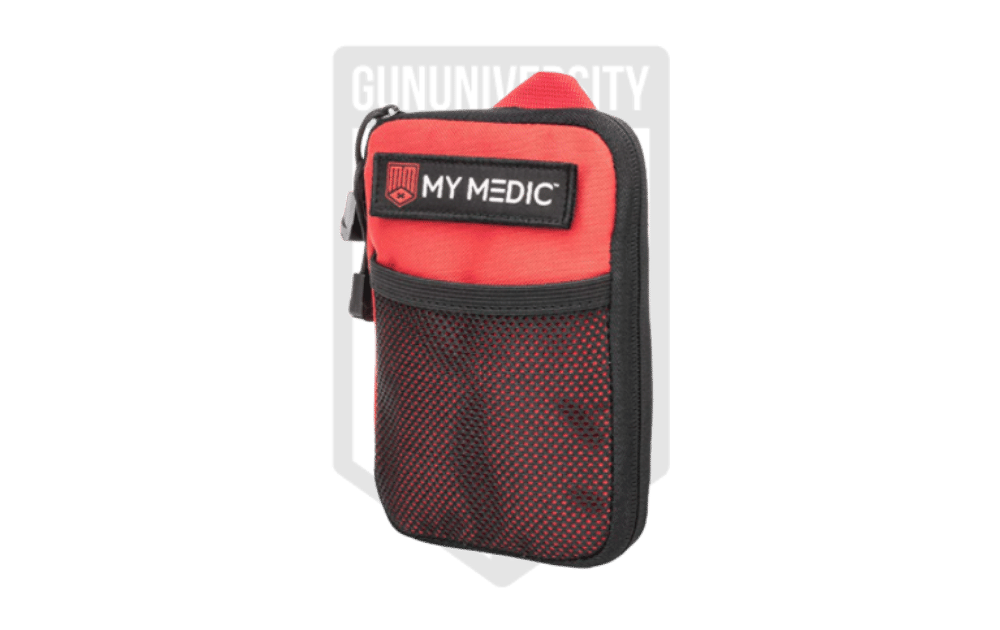
Credit: gununiversity.com
Essential Items For Gun Range Safety
Safety at the gun range depends heavily on how prepared you are for unexpected injuries. Having the right first aid kit can make a real difference in managing accidents swiftly and effectively. Let’s break down the essential items you should have on hand to protect yourself and others.
Basic First Aid Supplies
Start with the essentials everyone should know how to use. Clean bandages and sterile gauze pads help control bleeding quickly. Adhesive tape keeps dressings secure, while antiseptic wipes prevent infections from minor cuts and scrapes.
Don’t forget scissors for cutting tape or clothing, and disposable gloves to protect yourself from bloodborne pathogens. A CPR face shield can be a lifesaver if someone needs resuscitation. These basics cover the most common injuries you might encounter.
Advanced Emergency Equipment
Beyond basics, some items can handle more serious situations. A tourniquet is critical if severe bleeding occurs—do you know how to apply one correctly? An emergency trauma dressing can absorb large amounts of blood and provide pressure to wounds.
Consider adding a hemostatic agent, which helps blood clot faster during significant bleeding. An instant cold pack can reduce swelling from bumps or bruises quickly. Having a compact flashlight or headlamp ensures you can see clearly if an accident happens in low light.
Are you prepared to act fast with these advanced tools? Training on their proper use is as important as having them in your kit.

Credit: refugemedical.com
Dealing With Common Gun Range Injuries
Gun ranges can be safe places when rules are followed. Still, accidents happen. Being ready to handle injuries quickly is very important. A first aid kit made for gun ranges helps treat common injuries fast. Knowing how to use it can save lives and reduce harm.
Minor Cuts And Bruises
Small cuts and bruises occur often at gun ranges. These injuries usually happen from sharp objects or rough surfaces. Clean the wound with water to remove dirt. Use antiseptic wipes from the first aid kit to kill germs. Cover the cut with a sterile bandage to stop bleeding.
For bruises, apply a cold pack to reduce swelling. Keep the injured area raised if possible. Change bandages regularly to prevent infection. Watch for signs of redness or pus. These may need medical attention.
Gunshot Wounds
Gunshot wounds are serious injuries. Immediate action is critical. Call emergency services right away. While waiting, try to keep the victim calm and still. Use gloves from the first aid kit to protect yourself.
Apply firm pressure with a clean cloth to stop bleeding. If possible, elevate the injured area above the heart. Avoid removing any objects stuck in the wound. Cover the wound with sterile dressings. Monitor the victim’s breathing and pulse until help arrives.
Emergency Response Techniques
Knowing emergency response techniques is vital at a gun range. Quick action can save lives and reduce injury severity. A well-stocked first aid kit is important, but knowing how to use it matters more. Basic skills like CPR and controlling bleeding are key to managing accidents effectively.
Cpr And Resuscitation
CPR keeps blood flowing to the brain and organs during cardiac arrest. Start by checking if the person is breathing. If not, call for emergency help immediately.
- Place hands in the center of the chest.
- Push hard and fast, about 2 inches deep, at a rate of 100-120 compressions per minute.
- Allow the chest to rise fully between compressions.
- If trained, give rescue breaths after every 30 compressions.
Continue CPR until help arrives or the person shows signs of life. Early CPR improves chances of survival greatly.
Bleeding Control
Severe bleeding is common in gun range accidents. Stop bleeding quickly to prevent shock. Use gloves from your first aid kit to avoid infection risk.
- Apply direct pressure on the wound with a clean cloth or bandage.
- If bleeding soaks through, add more layers without removing the first.
- Use a tourniquet only if bleeding is life-threatening and direct pressure fails.
- Keep the injured limb elevated if possible.
Monitor the injured person for signs of shock such as pale skin or rapid breathing. Act fast to stabilize the situation before emergency services arrive.
Proper Storage And Maintenance
Proper storage and maintenance of a gun range first aid kit ensures it works well in emergencies. Keeping the kit organized and checking its contents regularly helps avoid missing or expired items. A well-maintained kit stays ready for any situation, giving peace of mind during shooting activities.
Organizing Your Kit
Arrange supplies by type and use. Separate bandages, antiseptics, and tools in clear compartments or small bags. Use labels to identify each section quickly. Place frequently used items on top for easy access. Keep the kit compact but spacious enough to hold all essentials.
Regular Inspection And Restocking
Check your kit every month. Look for expired medicines and damaged materials. Replace any used or old items immediately. Keep a checklist to track what is missing or low. Restock after each visit to the gun range to maintain readiness.
Training For Gun Range Emergencies
Training for gun range emergencies is essential for safety. Proper training helps you respond quickly and calmly during accidents. It builds confidence and ensures effective use of the first aid kit. Regular practice reduces panic and improves decision-making under pressure.
First Aid Certification
Obtaining first aid certification teaches vital skills for emergency care. Courses cover wound treatment, CPR, and bleeding control. Certified individuals know how to use the gun range first aid kit properly. Certification also promotes readiness and responsibility among shooters and staff.
Scenario-based Drills
Scenario-based drills simulate real gun range accidents. These drills prepare you to handle injuries and emergencies effectively. Practicing different situations sharpens your response time and teamwork. Regular drills help identify gaps in knowledge and improve safety protocols.
Legal And Liability Considerations
When you set up a gun range first aid kit, you’re not just preparing for emergencies—you’re also navigating a landscape of legal and liability issues. Knowing what the law expects from you and how to protect yourself from potential claims is crucial. Ignoring these aspects can lead to serious consequences that go beyond just having the right supplies.
Understanding Regulations
Gun ranges must comply with various local, state, and federal regulations related to safety and emergency preparedness. These rules often dictate what kind of first aid equipment you need on site and how it should be maintained. For example, some states require a certain type of trauma kit and regular staff training on its use.
Are you aware of the specific requirements in your area? Checking with your state’s health department or occupational safety agency can save you from costly fines. Also, keep in mind that regulations may change, so regular updates and reviews of your first aid kit are necessary.
Liability Insurance
Having liability insurance is a smart move for anyone running a gun range. It protects you financially if someone gets injured and decides to take legal action. But not all insurance policies cover incidents related to firearms or medical emergencies, so you need to be clear about your coverage.
Talk to your insurance provider about adding specific clauses for gun range accidents and first aid response. You might want to ask questions like:
- Does the policy cover injuries caused by firearms?
- Are medical costs from first aid incidents included?
- What are the limits and exclusions in the coverage?
Being proactive with liability insurance can give you peace of mind. It also shows your commitment to safety, which can be a positive signal to clients and regulators alike.
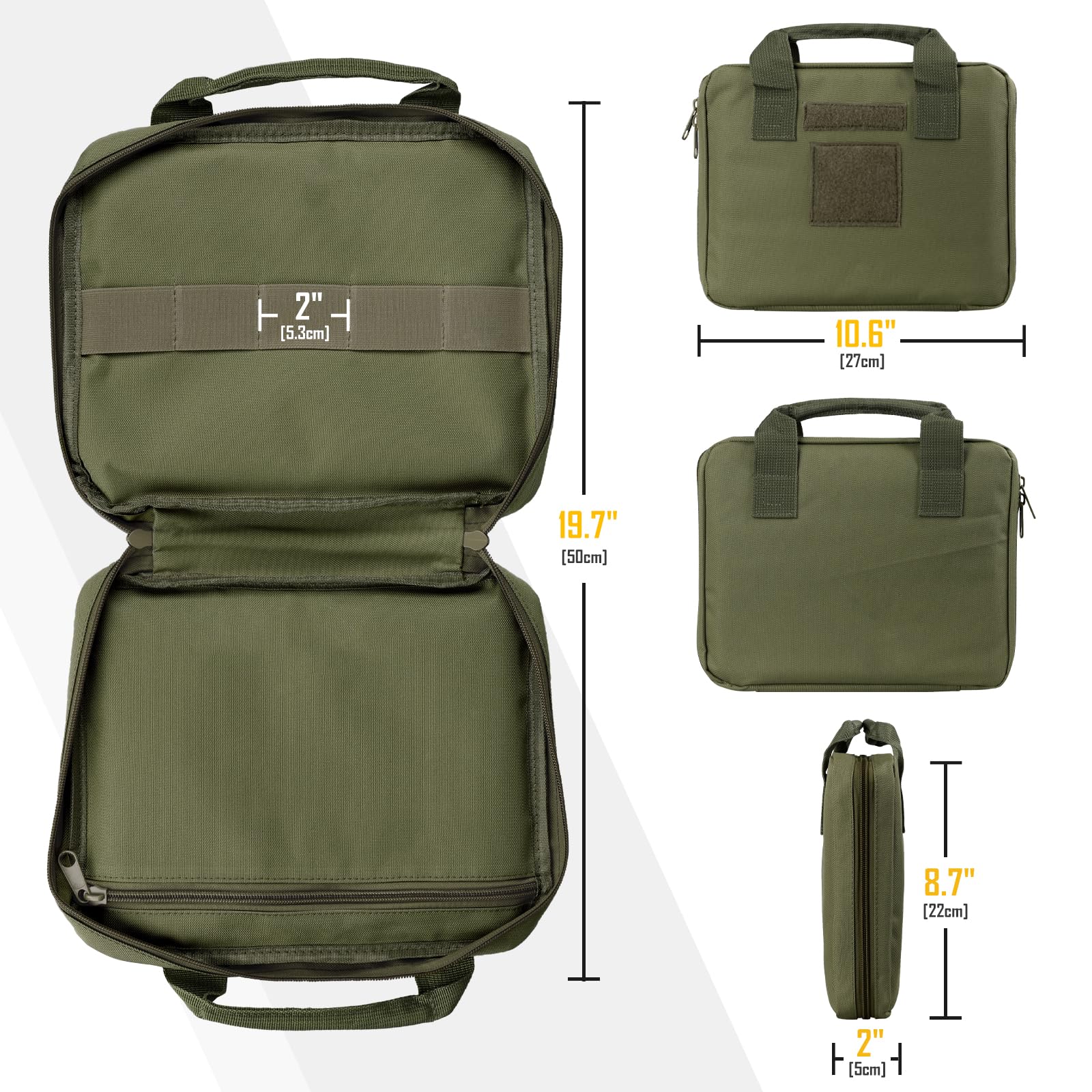
Credit: www.amazon.com
Frequently Asked Questions
What Essential Items Should A Gun Range First Aid Kit Have?
A gun range first aid kit must include bandages, antiseptic wipes, gauze pads, adhesive tape, gloves, and a CPR mask. It should also have scissors, tweezers, pain relievers, and a tourniquet for bleeding control. These items help treat common shooting-related injuries quickly and effectively.
How Often Should I Check My Gun Range First Aid Kit?
Check your gun range first aid kit monthly to ensure all supplies are stocked and unexpired. Replace any used or outdated items immediately. Regular checks keep your kit ready for emergencies and ensure you can respond effectively to injuries at the range.
Can I Use A Regular First Aid Kit At A Gun Range?
A regular first aid kit may lack specialized items like a tourniquet or CPR mask. Gun range kits focus on injuries specific to shooting accidents, such as deep wounds or burns. Using a dedicated gun range first aid kit ensures better preparedness for common range emergencies.
Where Is The Best Place To Store A Gun Range First Aid Kit?
Store your gun range first aid kit in an easily accessible, visible location near the shooting area. It should be protected from moisture and extreme temperatures. Quick access during emergencies can save lives and minimize injury severity at the gun range.
Conclusion
A gun range first aid kit helps prepare you for emergencies. It keeps important supplies close and ready to use. Accidents can happen anytime, so being ready is smart. Choose a kit with basics like bandages, antiseptics, and gloves. Practice using it so you feel confident during a mishap.
Safety and quick response protect everyone at the range. Always check your kit before each visit to keep it stocked. Stay safe, stay prepared, and enjoy your time shooting.

I’m Abby Lu, a passionate home cook who loves simplifying everyday meals. At seashell-kudu-262783.hostingersite.com, I share product reviews and cooking guides to help you find the best tools for your kitchen.
Related posts:
 What Type of Cooking Utensils are Safe: Expert Picks
 What Innovations Could Blenders Make: Unleashing Future Tech
 Smart Strategies to Organize a Small Kitchen: Maximize Space
 How to Organize a Kitchen Cabinet: Expert Tips & Tricks
 How to Organize Kitchen Drawers: Expert Tips and Tricks
 How to Organize a Corner Kitchen Cupboard: Expert Tips

