

When you step onto a construction site, safety is your top priority. But accidents can happen anytime, and being prepared can make all the difference.
Your first aid kit isn’t just a box of supplies—it’s your lifeline when injury strikes. Knowing what to include and how to organize it specifically for the construction industry can save time, reduce harm, and even protect lives. Ready to make sure your first aid kit truly works for you and your team?
Keep reading to discover exactly what every construction site first aid kit needs.
Importance Of First Aid Kits
First aid kits are essential tools on construction sites. They provide quick access to medical supplies during emergencies. Immediate care can reduce the severity of injuries. Construction work involves many risks, making first aid kits vital. They help protect workers’ health and safety every day.
Safety In The Construction Industry
Construction sites are high-risk areas with heavy machinery and sharp tools. Injuries such as cuts, burns, and sprains happen often. First aid kits allow workers to treat minor injuries immediately. Prompt treatment lowers the chance of infections and complications. Having first aid kits nearby boosts overall site safety. It encourages a culture of care and alertness among workers.
Legal Requirements And Standards
Many countries require construction sites to have first aid kits. Laws set minimum standards for kit contents and accessibility. Employers must ensure kits are well-stocked and easy to find. Regular checks keep the supplies fresh and usable. Compliance with these rules helps avoid legal penalties. It also shows commitment to worker welfare and safety regulations.

Credit: www.totalsafety.nz
Components Of A First Aid Kit
A well-stocked first aid kit is crucial on any construction site. It helps manage injuries quickly and prevents complications. Knowing the components of a first aid kit ensures readiness for emergencies.
Each item plays a specific role in treating wounds, burns, or other injuries. The kit must include basic medical supplies and specialized equipment tailored for construction risks.
Basic Medical Supplies
- Adhesive bandages in various sizes for small cuts
- Sterile gauze pads to cover larger wounds
- Antiseptic wipes and solutions to clean wounds
- Medical tape to secure dressings
- Scissors and tweezers for cutting and removing debris
- Disposable gloves to maintain hygiene
- Elastic bandages for sprains and strains
- Pain relief medication like acetaminophen or ibuprofen
Specialized Equipment For Construction Sites
- Burn dressings for heat-related injuries
- Eye wash solution to flush out dust or chemicals
- Cold packs to reduce swelling from impact injuries
- Rescue blanket to prevent shock and keep warm
- CPR face shield for safe resuscitation
- Triangular bandages for slings or immobilizing limbs
- Finger splints to stabilize fractures or dislocations
- Emergency contact information and first aid manual
Personal Protective Equipment
Personal Protective Equipment (PPE) plays a critical role in the construction industry, where hazards are a daily reality. Your safety depends on the right gear, designed to shield you from common injuries. Choosing the correct PPE not only protects you but also boosts your confidence to handle tough tasks effectively.
Hard Hats And Helmets
Hard hats are more than just a piece of plastic on your head—they are your first line of defense against falling objects and head injuries. Different types serve various purposes, such as bump caps for light protection and full helmets for heavy-duty work.
Think about the last time you saw a construction site without hard hats—would you feel safe? Make sure your helmet fits well and meets safety standards like ANSI or OSHA to provide the best protection.
Gloves And Hand Protection
Your hands face cuts, burns, and chemical exposure daily. Choosing the right gloves depends on your specific tasks—leather gloves work great for handling rough materials, while nitrile gloves protect against chemicals.
Ever experienced a minor cut that slowed you down? Proper gloves can prevent that. Check for durability and comfort to keep your hands safe without losing dexterity.
Eye And Face Shields
Eye injuries can happen in seconds from flying debris or chemical splashes. Safety glasses and face shields offer different levels of protection, so pick what matches your job’s risks.
Have you ever squinted to see through dust or debris? Clear, anti-fog lenses improve visibility and reduce accidents. Always inspect your eye protection for scratches or damage before use.

Credit: www.safetybuyer.com
Emergency Response Tools
Emergency response tools are vital on construction sites. They help control risks and protect lives during accidents. Having the right equipment ensures quick action. This reduces injury severity and prevents damage.
Construction sites face many hazards. Tools designed for emergencies must be reliable and easy to use. Workers should know their location and operation. Training is key to effective emergency response.
Fire Extinguishers
Fire extinguishers are essential on every construction site. They stop small fires before they spread. Different types handle various fire sources like electrical or chemical fires.
- Portable and easy to access
- Clearly marked and regularly inspected
- Staff trained in proper use
- Located near high-risk areas such as welding zones
Regular checks keep extinguishers in working order. Proper placement saves critical seconds in emergencies.
Emergency Evacuation Plans
Clear evacuation plans guide workers during emergencies. They show safe exit routes and assembly points. Plans must be simple and visible to everyone.
- Maps posted at key locations
- Regular drills to practice evacuation
- Designated leaders to assist during evacuation
- Plans updated to reflect site changes
Evacuation plans reduce panic and confusion. They help ensure everyone reaches safety quickly.
Training And Preparedness
Training and preparedness are vital in the construction industry. Quick and correct response during accidents saves lives. Workers must know how to use first aid kits properly. Regular practice builds confidence and reduces panic. Prepared teams handle emergencies more effectively.
First Aid Training Programs
First aid training programs teach essential skills. Workers learn how to treat cuts, burns, and fractures. Training includes CPR and how to handle shock. Hands-on sessions help workers remember steps better. Certified training ensures knowledge meets safety standards. Training should be updated regularly to keep skills fresh.
Regular Safety Drills
Safety drills prepare workers for real emergencies. Drills simulate accidents to test readiness. They help identify weak points in response plans. Practicing evacuation and first aid actions saves time during real events. Drills improve teamwork and communication under pressure. Frequent drills keep safety top of mind for all workers.
Maintaining And Updating Kits
Maintaining and updating first aid kits in the construction industry is not just about compliance; it’s about readiness when every second counts. A well-maintained kit ensures you have the right supplies at hand, exactly when you need them. Neglecting this can turn a simple injury into a serious problem.
Regular Inspections
Check your first aid kits at least once a month. Look for expired items, damaged packaging, or missing supplies. Have you ever found a bandage stuck to the inside of the box because it was wet or dirty? That’s exactly what regular inspections prevent.
Assign a responsible person to do these checks and keep a log. This helps track when items were last inspected and replaced. Remember, a kit full of outdated supplies is almost useless in an emergency.
Replenishing Supplies
After every use, immediately restock the kit. Don’t wait until the monthly inspection to notice missing items. Imagine needing an antiseptic wipe only to find the last one used days ago—how would that affect your response?
Keep an inventory list inside each kit. This list should include all necessary items and their quantities. When restocking, compare the list to what’s inside to ensure nothing is overlooked. Also, consider seasonal needs—extra sunscreen in summer or burn cream if hot work is being done.
Innovations In Safety Gear
Safety gear in the construction industry has seen many improvements. These changes help protect workers better and reduce accidents. Innovations focus on making gear smarter and more eco-friendly. New materials and technology play a big role. These advances improve comfort and safety on site.
Technological Advancements
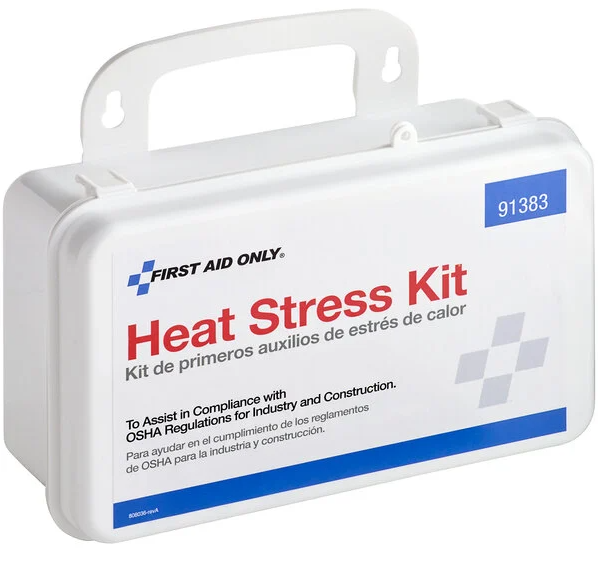
Modern safety gear includes smart helmets with sensors. These helmets detect impacts and alert supervisors quickly. Wearable devices monitor worker health, tracking heart rate and fatigue. Advanced gloves improve grip and protect against cuts. High-visibility clothing now uses LED lights for better night safety. Breathable materials keep workers cool and reduce heat stress.
Sustainable Practices
Eco-friendly materials are replacing traditional plastics and fabrics. Recycled fibers help reduce waste and lower environmental impact. Some companies use biodegradable packaging for first aid kits. Solar-powered safety lights reduce battery waste. Durable gear means less frequent replacements, cutting down landfill waste. Sustainability is becoming a key part of safety gear design.
Credit: www.colonyhardware.com
Frequently Asked Questions
What Should A First Aid Kit Include For Construction Sites?
A construction site first aid kit must have bandages, antiseptics, gloves, burn treatment, scissors, and eye wash. It should also contain CPR masks and pain relievers to handle common injuries effectively.
Why Is A First Aid Kit Important In Construction Industry?
First aid kits provide immediate care, reducing injury severity and preventing infection. Quick treatment helps avoid complications and supports worker safety on construction sites.
How Often Should First Aid Kits Be Checked On Construction Sites?
First aid kits must be inspected monthly to ensure supplies are stocked and unexpired. Regular checks guarantee readiness during emergencies and compliance with safety regulations.
Who Is Responsible For Maintaining First Aid Kits In Construction?
Site supervisors or safety officers typically maintain first aid kits. They ensure kits are complete, accessible, and meet workplace safety standards.
Conclusion
A well-stocked first aid kit saves lives on construction sites. Quick care reduces injury risks and speeds recovery. Every worker should know the kit’s location and contents. Regular checks keep supplies fresh and ready to use. Safety starts with preparation and proper tools.
Keep your site safe by staying prepared today. Simple steps make a big difference in emergencies.

I’m Abby Lu, a passionate home cook who loves simplifying everyday meals. At seashell-kudu-262783.hostingersite.com, I share product reviews and cooking guides to help you find the best tools for your kitchen.
Related posts:
 What Type of Cooking Utensils are Safe: Expert Picks
 What Innovations Could Blenders Make: Unleashing Future Tech
 Smart Strategies to Organize a Small Kitchen: Maximize Space
 How to Organize a Kitchen Cabinet: Expert Tips & Tricks
 How to Organize Kitchen Drawers: Expert Tips and Tricks
 How to Organize a Corner Kitchen Cupboard: Expert Tips

