

When you’re out on the trail, the last thing you want is to be caught without a proper first aid kit. Your safety depends on being prepared for bumps, scrapes, or unexpected injuries.
But buying a ready-made kit can be expensive or missing the exact items you need. That’s where a DIY backpacking first aid kit comes in. By creating your own, you get exactly what suits your trip and your needs. Keep reading, and you’ll learn how to build a lightweight, effective kit that fits perfectly in your pack—and keeps you safe no matter where your adventure takes you.

Credit: wildmedkits.ca
Choosing The Right Container
Choosing the right container for your DIY backpacking first aid kit is more important than you might think. The container needs to be durable, lightweight, and easy to organize. Your choice will directly affect how quickly and effectively you can access your supplies in an emergency.
Size And Portability
Think about how much space you have in your backpack. A bulky container can take up valuable room and add unnecessary weight. You want something compact but still large enough to fit all essential items comfortably.
I once grabbed a first aid kit that was too big for my pack. It made me carry extra weight all day and slowed me down. Now, I always test the kit’s size by packing it with my gear before the trip.
Material And Durability
Choose a container made from water-resistant or waterproof materials. Your supplies must stay dry, especially if you’re hiking through wet conditions. Hard plastic cases offer strong protection but can be heavier, while fabric pouches are lighter but might not protect against moisture as well.
Look for containers with strong zippers or secure closures. This prevents items from spilling out if the kit gets jostled during your hike.
Organization Features
Pick a container that has compartments or elastic loops to keep your items organized. When you’re dealing with a cut or sprain, digging through a messy bag wastes precious time. Clear pockets or mesh sections help you quickly find bandages, antiseptic wipes, or tweezers.
Consider adding small labeled bags inside your container for different categories, like medications, wound care, and tools. This extra step can make your kit more user-friendly, especially if you’re in a hurry or under stress.
Accessibility And Ease Of Use
Think about how quickly you can open and close your container. Velcro or snap closures might be quicker to access than zippers when your hands are cold or injured. Also, consider whether you want the kit attached to your backpack or inside it for easier reach.
Ask yourself: Can I access the most critical items without unpacking the entire kit? If not, look for a container design that allows for partial opening or has external pockets.

Credit: www.youtube.com
Essential Medical Supplies
Having the right medical supplies in your backpacking first aid kit is vital. These essentials help treat injuries and avoid infections. Choosing the right items keeps you prepared for common outdoor emergencies. Focus on compact, lightweight, and effective supplies that suit your trip.
Bandages And Dressings
Bandages protect cuts and scrapes from dirt. Include adhesive bandages in various sizes. Pack sterile gauze pads to cover bigger wounds. Elastic bandages help support sprains and strains. Use medical tape to secure dressings firmly.
Antiseptic Solutions
Antiseptics clean wounds and prevent infection. Carry small bottles of antiseptic wipes or liquids. Iodine or alcohol-based solutions work well. Avoid harsh chemicals that can irritate skin. Use antiseptics carefully to keep wounds safe.
Pain Relief Medications
Pain relief aids comfort during injuries. Pack over-the-counter options like ibuprofen or acetaminophen. These reduce pain and lower fever. Follow dosage instructions strictly. Avoid expired medications for safety.
Allergy And Anti-inflammatory Medications
Allergy meds help with unexpected reactions. Include antihistamines for insect bites or pollen allergies. Anti-inflammatory drugs reduce swelling and redness. Keep these handy to manage allergic responses quickly.
Tools For Emergency Situations
Having the right tools in a backpacking first aid kit can make a big difference during emergencies. These tools help you handle injuries quickly and safely. They are small but essential for treating wounds and other issues on the trail. Carrying the right items ensures you are prepared for unexpected situations.
Tweezers And Scissors
Tweezers are perfect for removing splinters, ticks, or small debris from the skin. They allow precise handling of tiny objects without causing more harm. Scissors are useful for cutting bandages, tape, or clothing around wounds. Choose small, sharp scissors that fit easily in your kit.
Safety Pins
Safety pins have many uses in emergencies. They can secure bandages or slings in place. Safety pins also help fix torn gear or clothing temporarily. Keep a few different sizes to handle various tasks. They are lightweight and take up little space.
Thermometer
A thermometer helps check for fever or hypothermia during illness or injury. Knowing the exact temperature guides your treatment decisions. Digital thermometers are compact and easy to use. Always include one in your first aid kit for accurate readings.
Personal Health Considerations
Personal health is crucial when packing a first aid kit for backpacking. Everyone’s needs differ based on their health conditions. Preparing your kit with these differences in mind keeps you safe on the trail.
Prescription Medications
Always include enough prescription medicine for the entire trip. Pack extra in case of delays or emergencies. Store medications in a waterproof container to protect them from moisture. Label each medication clearly with your name and dosage instructions. Keep medications in their original packaging for easy identification. Check expiration dates before packing. Carry a copy of the prescription or a doctor’s note for controlled substances. This helps avoid issues if you need medical help.
Medical Information Card
A medical information card is essential for emergencies. Write down your allergies, medical conditions, and current medications. Include emergency contact numbers and your blood type. Carry the card in your wallet or first aid kit. Make sure it is easy to find and read. This card helps rescuers provide the right treatment quickly. Update the card regularly to keep it accurate.
Specialized Gear For Outdoor Conditions
Outdoor adventures demand more than basic first aid. Specialized gear helps handle specific outdoor challenges. These items protect against common issues faced during backpacking. They ensure comfort and safety in nature’s unpredictable environment.
Insect Bite Treatment
Insects can cause painful bites and allergic reactions. Carry items like antihistamine cream and sting relief wipes. These reduce itching and swelling quickly. A small pair of tweezers helps remove ticks or splinters safely. Include insect repellent to prevent bites before they happen.
Sunburn Relief
Sun exposure can cause painful burns and skin damage. Aloe vera gel soothes burned skin and reduces redness. Cooling spray or lotion provides instant relief. Carry lip balm with SPF to protect lips. Lightweight, breathable clothing also helps shield skin from sun.
Blister Care
Blisters often appear from long hikes or new boots. Use moleskin or blister pads to cushion and protect spots. Clean the area with antiseptic wipes to prevent infection. Carry small scissors to trim bandages if needed. Proper blister care speeds healing and eases walking discomfort.
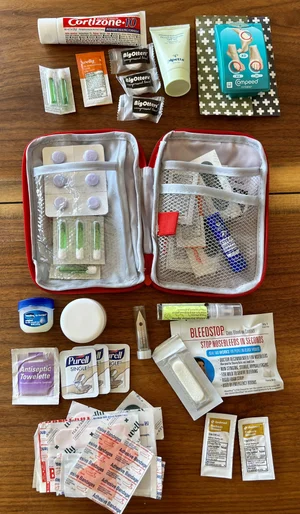
Credit: www.soivethoughtalotaboutthis.com
Organizing Your Kit
Organizing your DIY backpacking first aid kit helps you find supplies quickly. A well-arranged kit saves time during emergencies. It also prevents damage to important items. Keeping everything in order reduces stress on the trail.
Labeling Supplies
Label each item clearly. Use simple words and large fonts. This helps identify supplies fast. Group items by use: wounds, pain relief, or allergies. Keep labels waterproof to avoid smudging. Use color codes for quick recognition. For example, red for bleeding care, blue for medicines.
Waterproof Bags
Use waterproof bags to protect your supplies. Moisture can ruin bandages and medicines. Choose bags with a zipper or seal. Clear bags let you see contents without opening. Use small bags for different groups of items. This keeps your kit neat and dry. Carry extra bags for wet clothes or trash.
Tips For Regular Maintenance
Keeping your DIY backpacking first aid kit in top shape is essential for safety on the trail. Regular maintenance ensures that every item works when you need it most. It also helps you avoid carrying expired or incomplete supplies that could jeopardize your health.
Checking Expiry Dates
Expired medications and ointments lose their effectiveness and can even cause harm. Make it a habit to check the expiry dates on all items before each trip. Setting a reminder on your phone every few months can help you stay on track.
Don’t forget less obvious products like antiseptic wipes, pain relievers, and allergy tablets. If you find anything past its expiration, replace it immediately. Imagine needing allergy medicine in a rush and finding it useless—that’s a risk you don’t want to take.
Restocking Used Supplies
After every hike, review your kit to see what you used and what needs replacing. Even a single bandage or a wipe taken out should be replenished. This keeps your kit ready for the next adventure without scrambling last minute.
Keep a small checklist inside your kit to track supplies easily. You can also note what items you ran out of or felt were missing on your last trip. This habit helps you customize your kit over time, making it more effective and tailored to your needs.
Training And Knowledge
Having a DIY backpacking first aid kit is essential, but knowing how to use it properly is just as important. Training and knowledge empower you to act quickly and confidently in emergencies. Without the right skills, even the best kit can fall short when you need it most.
First Aid Courses
Taking a first aid course can make a huge difference on your backpacking trips. These courses teach you how to handle common injuries like cuts, sprains, and burns effectively. You’ll learn practical skills such as CPR, wound care, and how to recognize serious conditions.
Hands-on practice during these classes helps build your confidence. It prepares you to stay calm and make smart decisions under pressure. Have you ever felt unsure about what to do when someone gets hurt? Training fills that gap, so you’re ready to help yourself or others.
Look for courses offered by reputable organizations like the Red Cross or local outdoor clubs. Many places now offer short, affordable workshops tailored for hikers and backpackers. Don’t just pack your kit—pack the knowledge to use it well.
Emergency Contact Information
Carrying emergency contact information can save precious time during a crisis. Make sure you have phone numbers for local emergency services, park rangers, and a trusted contact back home. Keep this info easily accessible in your backpack or on your phone.
Consider writing down important medical details such as allergies, medications, and blood type. In a stressful situation, rescuers or fellow hikers will appreciate having clear, concise information. What if your phone dies or loses signal? A physical copy can be a lifesaver.
Use waterproof cases or laminates to protect your emergency info from rain or sweat. This small step can ensure vital details stay legible throughout your adventure. Are you prepared to communicate your needs when every second counts?
Frequently Asked Questions
What Essentials Go In A Diy Backpacking First Aid Kit?
Essentials include bandages, antiseptic wipes, pain relievers, tweezers, and medical tape. Also pack blister treatment, allergy medicine, and a small scissors. Customize based on your trip length and destination for best safety.
How To Choose Compact First Aid Supplies For Backpacking?
Pick lightweight, multi-use items to save space. Opt for travel-sized containers and foldable tools. Prioritize the most common injuries like cuts, blisters, and insect bites for efficient packing.
How Often Should I Update My Backpacking First Aid Kit?
Check your kit before every trip. Replace expired medicines and used items immediately. Regular updates ensure your kit stays effective and ready for emergencies.
Can I Carry Prescription Medications In A Backpacking First Aid Kit?
Yes, always include necessary prescription meds. Carry enough supply for your trip duration. Keep medications in original containers for safety and identification.
Conclusion
A DIY backpacking first aid kit keeps you ready for small injuries. Packing the right items helps you stay safe on trails. Choose supplies that are light and easy to carry. Check your kit before each trip to replace used items.
Being prepared gives you peace of mind outdoors. Simple steps can protect you from bigger problems. Carrying your own kit saves time and worry. Stay safe and enjoy every backpacking adventure ahead.

I’m Abby Lu, a passionate home cook who loves simplifying everyday meals. At seashell-kudu-262783.hostingersite.com, I share product reviews and cooking guides to help you find the best tools for your kitchen.
Related posts:
 What Type of Cooking Utensils are Safe: Expert Picks
 What Innovations Could Blenders Make: Unleashing Future Tech
 Smart Strategies to Organize a Small Kitchen: Maximize Space
 How to Organize a Kitchen Cabinet: Expert Tips & Tricks
 How to Organize Kitchen Drawers: Expert Tips and Tricks
 How to Organize a Corner Kitchen Cupboard: Expert Tips

