

When it comes to fire safety, not all fires are the same. If you work around combustible metals like magnesium, titanium, or sodium, you need a special kind of protection.
That’s where a Class D fire extinguisher agent comes in. Understanding how this agent works can be the difference between controlling a dangerous fire and letting it spread out of control. You’ll discover exactly what makes Class D fire extinguisher agents unique and why they’re essential for your safety in certain environments.
Keep reading to learn how to protect yourself, your team, and your property from these tough fires.
Understanding Class D Fires
Understanding Class D fires is essential for anyone working with combustible metals. These fires behave very differently from regular fires involving wood, paper, or liquids. Knowing their unique traits helps you respond effectively and choose the right fire extinguisher agent.
Characteristics Of Metal Fires
Class D fires involve burning metals that can reach extremely high temperatures. These metals often react violently with water or common extinguishing agents, making standard fire extinguishers ineffective or dangerous to use.
The flames from metal fires can be intensely hot and may even produce sparks or explode. You might notice a bright, white flame, which is a clear sign of a metal fire. This is why controlling these fires requires special extinguishing agents designed specifically for metals.
Common Metals Involved
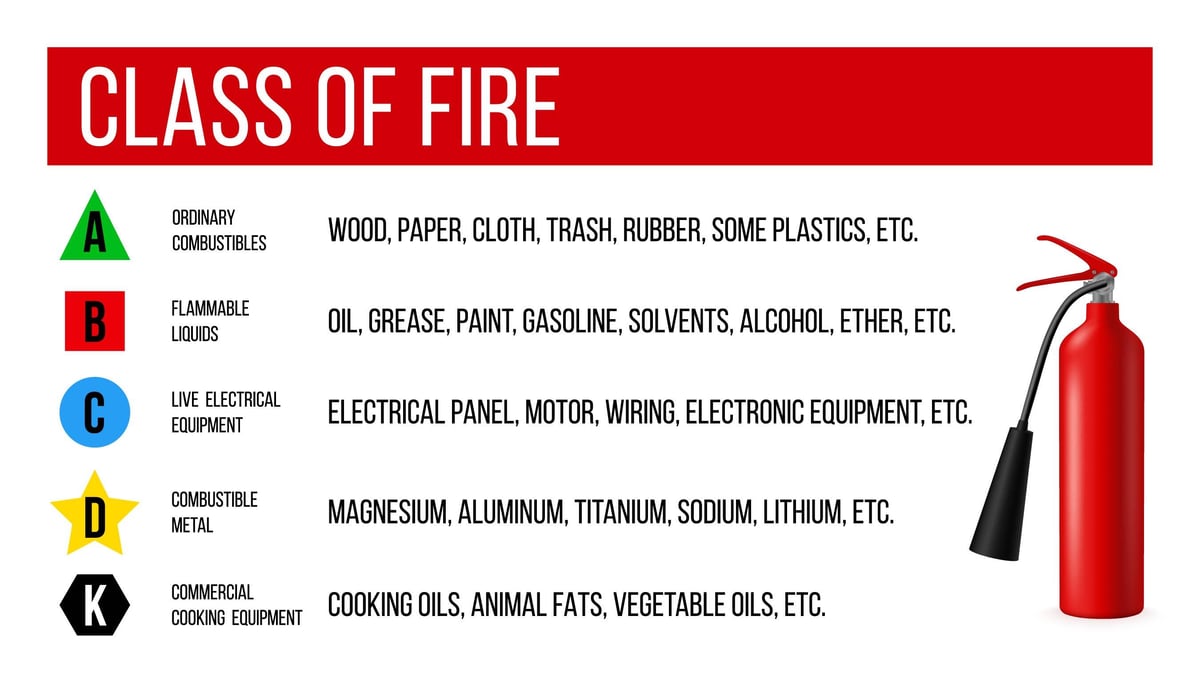
Some metals burn more easily than others, and they are often found in industrial or laboratory settings. Common metals involved in Class D fires include:
- Magnesium:Used in aerospace and automotive industries.
- Sodium:Found in chemical manufacturing and metal processing.
- Potassium:Used in fertilizers and some chemical reactions.
- Titanium:Common in medical devices and aerospace components.
- Aluminum:Often involved in manufacturing and construction.
Have you ever considered how a small spark near these metals could turn into a serious hazard? Knowing which metals you handle daily can prepare you to act safely and swiftly if a fire breaks out.
Class D Fire Extinguisher Agents
Class D fire extinguisher agents are specialized materials designed to tackle fires involving combustible metals like magnesium, titanium, sodium, and potassium. Unlike common fires, metal fires burn at extremely high temperatures and react violently with water or other standard extinguishing agents. Using the right agent is crucial to stopping these dangerous fires safely and effectively.
Types Of Extinguishing Agents
There are several types of agents used in Class D fire extinguishers, each suited for different metal fires.
- Dry Powder Agents:The most common type, these powders smother the fire by forming a crust that isolates the metal from oxygen.
- Sodium Chloride (NaCl) Based Powders:Often used for fires involving magnesium and sodium, they create a heat-absorbing barrier.
- Graphite-Based Powders:Useful for titanium and zirconium fires, graphite powders help absorb heat and block oxygen.
- Copper-Based Agents:These work well on lithium fires by forming a coating that cools and protects the metal.
Choosing the right agent depends on the specific metal involved. Using the wrong agent can make the fire worse. You should always know the type of metal hazard before selecting the extinguisher.
How They Work
Class D extinguishing agents do not work like water or foam. Instead, they act by cutting off oxygen and absorbing heat from the burning metal.
When you apply the powder, it quickly spreads over the burning surface and forms a solid, heat-resistant crust. This crust prevents oxygen from fueling the fire and stops the metal from reaching ignition temperatures again.
Unlike water, these agents do not react violently with the burning metal. This makes them safer to use during metal fires. If you face a metal fire, ask yourself: do you know the right agent to use? Using the correct agent can save lives and property.
Selection Criteria For Class D Extinguishers
Selecting the right Class D fire extinguisher agent is crucial for safety and effectiveness. These extinguishers handle fires involving combustible metals like magnesium, titanium, and sodium. Choosing the correct agent depends on the metal type and the environment where the extinguisher will be used. Proper selection reduces risks and ensures quick fire control.
Material Compatibility
Different metals react differently to extinguishing agents. Some agents work well on magnesium but not on sodium. The agent must not react violently with the burning metal. It should smother the fire without causing sparks or explosions. Knowing the specific metal involved helps pick the right agent. This prevents worsening the fire or spreading it.
Environmental Considerations
The location where the extinguisher will be used affects the choice of agent. Some agents produce dust that can harm electronics or machinery. Others may leave residues that are hard to clean. In confined spaces, agents that produce less smoke are better. Consider the impact on workers and equipment nearby. Choose agents that are safe for the environment and easy to clean.
Proper Usage Techniques
Using a Class D fire extinguisher agent correctly is vital for safety and effectiveness. These agents handle fires involving combustible metals like magnesium, sodium, and potassium. Knowing how to apply the agent properly helps stop the fire quickly while avoiding risks.
Application Methods
Hold the extinguisher nozzle at a safe distance from the fire. Aim directly at the base of the burning metal. Use a gentle sweeping motion to cover the entire fire area. Avoid throwing or spraying the agent too forcefully. This prevents spreading burning particles or causing explosions. Apply the agent until the fire is fully covered and extinguished.
Safety Precautions
- Wear protective gear such as gloves and eye protection.
- Keep clear of the smoke and fumes released during extinguishing.
- Do not use water or foam on metal fires—these worsen the flames.
- Maintain a safe escape route in case the fire grows.
- Ensure proper ventilation in the area to avoid inhaling harmful gases.
Maintenance And Inspection
Maintaining and inspecting your Class D fire extinguisher agent is essential to ensure it performs effectively in emergencies. Neglecting this can lead to failure when you need it most, putting lives and property at risk. Regular care helps you spot issues early and keeps the extinguisher ready for action.
Routine Checks
Make it a habit to check your Class D extinguisher once a month. Look for visible signs of damage like dents, corrosion, or leaks on the cylinder. Ensure the pressure gauge needle stays within the recommended range—this indicates the agent is properly pressurized.
Check the label and operating instructions for legibility. If these are worn out, replace them so anyone can quickly understand how to use the extinguisher. Also, verify that the safety pin is intact and the tamper seal is unbroken.
Ask yourself: could you confidently operate this extinguisher in an emergency right now? If not, it’s time to take action.
Refilling And Replacement
Class D extinguishing agents aren’t reusable after deployment. Once discharged, the entire extinguisher needs professional refilling or replacement. Don’t try to refill it yourself—specialized knowledge and equipment are necessary to handle these agents safely.
Even if unused, the extinguisher’s agent can degrade over time. Most manufacturers recommend full servicing every 1 to 3 years to confirm the agent’s effectiveness. If you notice any damage or the extinguisher has been exposed to harsh conditions, schedule a check sooner.
Keeping track of service dates and refills ensures your extinguisher is always ready. Have you set reminders to maintain your fire safety equipment regularly?

Credit: www.kiddecanada.com
Training And Preparedness
Training and preparedness are vital for safely handling Class D fire extinguisher agents. These fires involve combustible metals, which need special care. Proper training ensures staff know how to react quickly and correctly in emergencies.
Regular practice builds confidence and reduces panic. Understanding the right agent and technique can prevent accidents and damage. Preparedness also means having a clear plan and knowing roles during a fire event.
Staff Training Programs
Staff must learn about Class D fires and the right extinguishing agents. Training includes:
- Identifying combustible metals like magnesium, sodium, and titanium
- Using Class D fire extinguishers correctly
- Safety precautions to avoid injury
- Hands-on practice with extinguisher equipment
- Recognizing fire hazards in the workplace
Regular refresher courses keep skills sharp. Everyone should know how to act fast and safely.
Emergency Response Planning
A clear emergency response plan saves lives and property. Plans should cover:
- Steps to take when a Class D fire starts
- Evacuation routes and assembly points
- Roles for staff during an emergency
- Communication methods to alert everyone quickly
- Routine drills to test the plan’s effectiveness
Planning reduces confusion and improves response time. It helps control the fire before it spreads.
Regulations And Standards
Class D fire extinguishers are designed for fires involving combustible metals. Strict regulations and standards govern their use to ensure safety and effectiveness. Understanding these rules helps businesses comply and protect their property and workers.
National Fire Safety Codes
National fire safety codes set the minimum requirements for Class D fire extinguisher agents. These codes define which extinguishing agents are approved for specific metal fires. They also specify testing methods and performance criteria.
Fire codes often require proper labeling and placement of Class D extinguishers in areas with metal hazards. Regular inspections and maintenance must meet these codes to ensure readiness during emergencies.
Industry Best Practices
Industry best practices go beyond basic code requirements. They recommend training staff on correct extinguisher use for metal fires. Proper storage and handling of extinguishing agents prevent accidents and extend shelf life.
Many industries implement routine drills and safety audits focused on Class D fire safety. Using the correct agent for the specific metal type is a key practice to avoid worsening the fire.
Innovations In Fire Extinguisher Technology
Fire extinguisher technology has come a long way, especially in handling Class D fires involving combustible metals. Innovations have made these extinguishers more effective, safer, and easier to use. Understanding these advancements can help you choose the right protection for your workspace or home.
Recent Advances
Recent improvements in Class D fire extinguishing agents focus on enhancing absorption and heat resistance. New dry powder formulas now smother metal fires more quickly, reducing the risk of re-ignition.
Manufacturers have developed powders that create a crust over burning metals, cutting off oxygen more efficiently. Some agents are now lighter and less dusty, making handling easier and cleanup faster.
Have you noticed how some modern extinguishers come with clear usage instructions and safety features? This makes them more user-friendly, especially in high-stress situations.
Future Trends
Looking ahead, expect more eco-friendly and non-toxic agents for Class D extinguishers. Innovations aim to reduce environmental impact without compromising fire suppression power.
Smart extinguishers with sensors that detect fire types and automatically release the correct agent are also on the horizon. This technology could save precious seconds during an emergency.
Would having a fire extinguisher that guides you through the extinguishing process with audio or visual cues change how confident you feel in emergencies? These interactive features could become standard soon.
Case Studies And Real-life Applications
Case studies and real-life applications reveal how Class D fire extinguisher agents perform in actual emergencies. These examples show their effectiveness in controlling fires involving combustible metals. Understanding these situations helps improve safety protocols and response strategies.
Successful Extinguishment Examples
In one industrial setting, a magnesium fire broke out during metal fabrication. The Class D extinguisher agent quickly smothered the flames without causing a chemical reaction.
Another case involved a titanium fire in an aerospace facility. The agent contained the fire, preventing damage to expensive equipment.
- Metal fires stopped within minutes
- No spread to surrounding areas
- Minimal damage to property
- Safe for operators using the extinguishers
Lessons Learned
Proper training is essential for using Class D extinguishers effectively. Many incidents showed faster control when staff knew correct application methods.
Using the wrong extinguisher agent can worsen metal fires. Some fires intensified with water or standard foam extinguishers.
Regular equipment checks ensure extinguishers are ready when needed. Several cases highlighted failure due to expired or empty units.
- Train workers on specific extinguisher use
- Never use water on metal fires
- Inspect extinguishers regularly
- Keep Class D extinguishers accessible near metal work areas

Credit: www.dougdeals.com
Credit: blog.koorsen.com
Frequently Asked Questions
What Is A Class D Fire Extinguisher Agent?
A Class D fire extinguisher agent is a special powder used to put out fires involving combustible metals. It smothers the fire and absorbs heat, preventing re-ignition. These agents are essential for safety in industries handling metals like magnesium, sodium, and potassium.
How Does A Class D Fire Extinguisher Work?
It works by separating oxygen from the metal fire and cooling the burning material. The agent forms a crust, which stops the fire from spreading. This method is effective because water or other extinguishers can worsen metal fires.
Which Metals Require Class D Fire Extinguishers?
Class D extinguishers are used for fires involving metals such as magnesium, titanium, potassium, sodium, and aluminum. These metals react violently with water or standard extinguishing agents, so specialized powders are needed to safely extinguish the fire.
Can I Use A Class D Extinguisher On Other Fires?
No, Class D extinguishers are designed only for combustible metal fires. Using them on ordinary fires like paper, wood, or electrical fires is ineffective. Always choose the correct extinguisher type for the specific fire hazard.
Conclusion
Class D fire extinguisher agents handle metal fires safely and effectively. These agents stop fires that water or other extinguishers cannot control. Knowing the right agent can protect lives and property. Use them only on fires involving combustible metals like magnesium or sodium.
Always follow safety instructions when handling these extinguishers. Proper use ensures quick fire control and reduces risks. Stay informed and prepared for all fire types. Safety comes first, and the right extinguisher helps you stay safe.

Hi, I’m Daniel Brooks—a food lover and kitchen gear enthusiast. I enjoy testing cookware, utensils, and gadgets to see what really works in everyday cooking. At seashell-kudu-262783.hostingersite.com, I share honest reviews, comparisons, and simple guides to help you choose the best tools for a safer, smarter, and more enjoyable kitchen.
Related posts:
 What Type of Cooking Utensils are Safe: Expert Picks
 What Innovations Could Blenders Make: Unleashing Future Tech
 Smart Strategies to Organize a Small Kitchen: Maximize Space
 How to Organize a Kitchen Cabinet: Expert Tips & Tricks
 How to Organize Kitchen Drawers: Expert Tips and Tricks
 How to Organize a Corner Kitchen Cupboard: Expert Tips

