

When you’re out on the water, safety should always be your top priority. Having a well-stocked boat first aid kit can make all the difference when an unexpected injury happens.
But do you know exactly what items you need to include? This guide will help you create the perfect boat first aid kit list, so you’re ready for anything. Keep reading to find out how to protect yourself and your passengers with the essential supplies every boat should have on board.
Must-have Medical Supplies
Boating adventures are thrilling but safety must come first. A well-stocked first aid kit is essential. The right medical supplies can make all the difference. Knowing what to include can prevent minor injuries from escalating. Below is a list of must-have medical supplies for your boat’s first aid kit.
Bandages And Dressings
Bandages are crucial for treating wounds. Keep various sizes to cover different injuries. Dressings help stop bleeding and protect cuts. Sterile gauze is ideal for covering larger wounds. Adhesive bandages are perfect for smaller cuts. Don’t forget elastic bandages for sprains. Waterproof bandages are useful on a boat.
Antiseptics And Ointments
Clean wounds to prevent infection. Antiseptic wipes or solutions are key for this. Alcohol wipes are quick and easy to use. Include antibiotic ointments to aid healing. Hydrocortisone cream helps with insect bites. Aloe vera gel can soothe sunburns. These ointments and antiseptics are vital.
Pain Relievers And Medications
Pain can ruin any trip. Non-prescription pain relievers are a must. Aspirin and ibuprofen are great for headaches. Include motion sickness pills if needed. Antihistamines help with allergies. Pack any necessary personal medications. Keeping these handy ensures a safer journey.
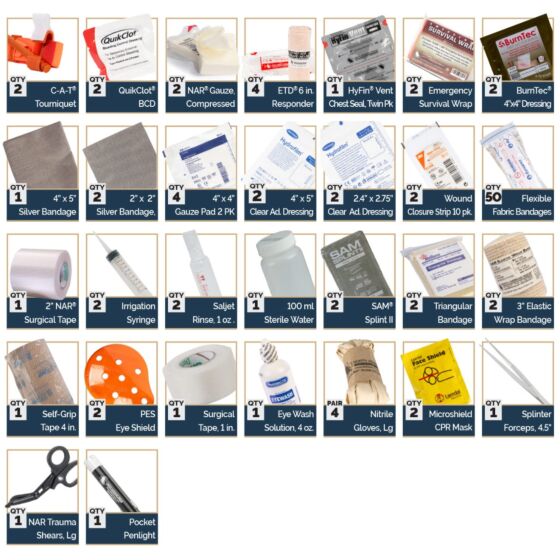
Credit: www.narescue.com
Tools And Equipment
Having the right tools and equipment in your boat first aid kit can make a real difference in an emergency. These items help you handle minor injuries quickly and provide essential support during more serious situations. Knowing which tools to pack ensures you’re prepared and confident when the unexpected happens on the water.
Tweezers And Scissors
Tweezers are essential for removing splinters, fishhooks, or debris from wounds. Choose a pair with fine tips for precision and a sturdy grip. Scissors should be sharp enough to cut bandages, tape, or clothing if needed, but small enough to fit comfortably in your kit.
I remember once pulling a tiny splinter from my finger during a day trip. Having tweezers on hand saved me from infection and kept the day going smoothly. Don’t overlook these simple tools—they often come to the rescue when you least expect it.
Thermometer And Gloves
A thermometer helps you monitor for fever, which can be a sign of infection or heat-related illness. Digital thermometers are quick and easy to use, making them ideal for boat kits. Gloves protect both you and the injured person from germs and contamination.
Wearing gloves can feel awkward if you’re not used to it, but they create a clean barrier. Imagine treating a wound without gloves—would you feel safe? Keeping disposable gloves in your kit keeps hygiene a priority during first aid.
Cpr Mask And Splints
A CPR mask is a small device that protects you while giving rescue breaths, reducing the risk of disease transmission. It’s lightweight and fits into any first aid kit without taking up much space. Splints are crucial for immobilizing broken or sprained limbs until professional help arrives.
Once, I helped stabilize a friend’s injured arm with a splint made from a paddle and some cloth. It wasn’t fancy, but it worked. Having proper splints in your kit means you can provide better support and reduce pain during emergencies.
Seasickness Remedies
Seasickness can spoil any boat trip. It causes nausea, dizziness, and discomfort. Having the right remedies in your boat first aid kit helps everyone enjoy the journey. These remedies reduce symptoms quickly and keep spirits high.
Motion Sickness Tablets
Motion sickness tablets are common and effective. They work by calming the inner ear, which controls balance. Many tablets start working within 30 minutes. Choose non-drowsy options for daytime trips. Always read the label for dosage and side effects.
Natural Remedies
Natural remedies offer gentle relief without chemicals. Ginger is a popular choice. It comes as candies, tea, or capsules. Peppermint can also ease nausea. Aromatherapy with lavender or eucalyptus oils may help some people. Keep these items handy for quick access.
Hydration Solutions
Staying hydrated reduces seasickness symptoms. Drink small amounts of water often. Avoid alcohol and caffeine as they can worsen dehydration. Oral rehydration salts help replace lost minerals. Keep a water bottle and electrolyte packets in your kit.
Credit: www.mountainbuzz.com
Emergency Items
Emergency items are vital for any boat first aid kit. These tools help manage injuries quickly and reduce risks. Being prepared can protect everyone on board during unexpected situations. Each item serves a specific purpose to treat wounds, soothe pain, or get help fast.
Burn Treatments
Burns can happen from hot surfaces or sun exposure on a boat. Keep burn treatments ready to ease pain and prevent infection. Use sterile burn dressings or gels designed to cool the skin. Avoid applying ice directly, as it can damage the tissue further.
Eye Wash Solutions
Eye injuries are common on boats due to saltwater, debris, or chemicals. Eye wash solutions flush out harmful particles and soothe irritation. Use sterile saline or a commercial eye wash. Rinse the eye gently for several minutes to reduce discomfort and prevent damage.
Emergency Contact Information
Quick access to emergency contacts is essential in a crisis. Keep a waterproof list of phone numbers, including coast guard and local rescue teams. Include contacts for all passengers and medical providers if possible. This list helps save time and guides rescuers to your location fast.
Storage And Maintenance
Proper storage and maintenance of your boat first aid kit keep it ready for emergencies. A well-kept kit ensures all supplies stay effective and safe. Protecting the contents from water, sun, and heat is essential. Regular checks prevent expired or missing items. Following clear restocking rules helps maintain a complete kit.
Waterproof Containers
Choose a sturdy waterproof container to store the kit. It stops water damage and keeps supplies dry. A tight seal also blocks dust and dirt. Use containers made from durable plastic or metal. Label the container clearly for quick identification. Store it in an easy-to-reach place on the boat.
Regular Kit Checks
Check the kit at least once a month. Look for expired medicines and damaged items. Replace anything that is missing or used. Inspect bandages and gauze for moisture or dirt. Make sure scissors and tweezers work well. Keep a checklist to track the items and dates.
Restocking Guidelines
Restock the kit after every trip or use. Buy replacements from trusted brands to ensure quality. Keep extra supplies of essential items like painkillers and antiseptics. Store items in original packaging to preserve their shelf life. Update the list of contents regularly to avoid surprises.
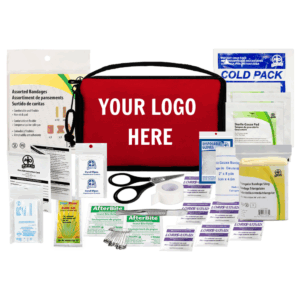
Credit: www.firstaidcanada.com
Frequently Asked Questions
What Essential Items Should Be In A Boat First Aid Kit?
A boat first aid kit should include bandages, antiseptic wipes, adhesive tape, scissors, tweezers, pain relievers, seasickness tablets, and waterproof gloves. These items help treat minor injuries and prevent infections while on water.
How Often Should You Check And Restock Your Boat First Aid Kit?
Check and restock your boat first aid kit every six months or after each trip. This ensures all supplies are fresh, unexpired, and ready for emergencies on board.
Can A Boat First Aid Kit Handle Severe Injuries?
A boat first aid kit is designed for minor injuries and basic care. For severe injuries, seek immediate professional medical help or emergency evacuation.
Why Is A Waterproof First Aid Kit Important On Boats?
Waterproof first aid kits protect supplies from moisture and water damage. This keeps items sterile, functional, and reliable during marine emergencies.
Conclusion
A well-stocked boat first aid kit keeps everyone safe on water. Prepare for cuts, burns, and other small injuries. Check your kit often to replace used or expired items. Keep it easy to find and dry at all times. Being ready helps you handle emergencies calmly and quickly.
Safety starts with simple steps and good planning. Stay safe, enjoy your time boating with peace of mind.

I’m Abby Lu, a passionate home cook who loves simplifying everyday meals. At seashell-kudu-262783.hostingersite.com, I share product reviews and cooking guides to help you find the best tools for your kitchen.
Related posts:
 What Type of Cooking Utensils are Safe: Expert Picks
 What Innovations Could Blenders Make: Unleashing Future Tech
 Smart Strategies to Organize a Small Kitchen: Maximize Space
 How to Organize a Kitchen Cabinet: Expert Tips & Tricks
 How to Organize Kitchen Drawers: Expert Tips and Tricks
 How to Organize a Corner Kitchen Cupboard: Expert Tips

